
ETS
EU Emissions Trading System (EU ETS)
The EU Emissions Trading System (EU ETS) is the cornerstone of Europe’s climate policy and the primary tool for reducing greenhouse gas emissions. Based on a “cap-and-trade” principle, the system sets a limit on total emissions while creating a carbon market that incentivizes emission reductions where they are most cost-effective.
The overall emissions cap reduces over the years according to a linear reduction factor that is chosen by the policy makers according to the EU climate ambition. As the cap decreases, the supply of emission allowances available to the market also declines, reinforcing the carbon price signal and pushing the ETS sectors to decarbonize to avoid the cost increase.
ETS: Driving Industrial Decarbonisation
The European fertilizer industry is one of the EU ETS’s strongest success stories. Since 2013, the sector has reduced greenhouse gas emissions by approximately 50% through continuous investments in energy efficiency, process optimization, and cleaner production technologies.
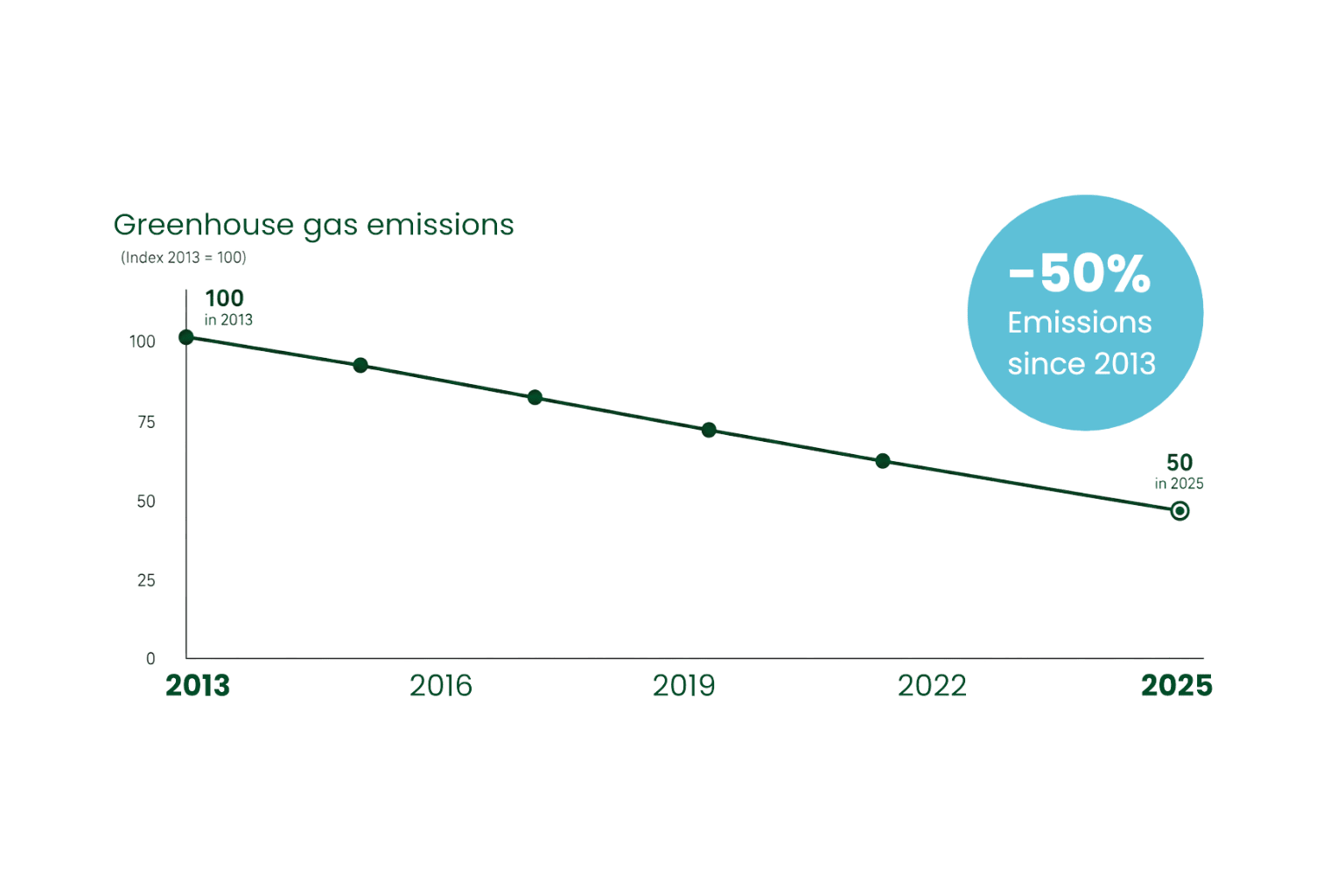
These efforts have enabled European mineral fertilizer producers to achieve some of the lowest carbon footprints globally, demonstrating that ambitious climate policies and industrial performance can go hand in hand when supported by the right regulatory framework.
Nonetheless, the sector continues to face intense international competition from producers operating in regions with little or no carbon costs and the increasing pressure from the CO2 cost poses a big risk vis a vis delocalization of production.
Maintaining Competitiveness During the Transition
The fertilizer industry is recognised under the EU ETS as being at high risk of carbon leakage due to its trade exposure and emissions intensity.
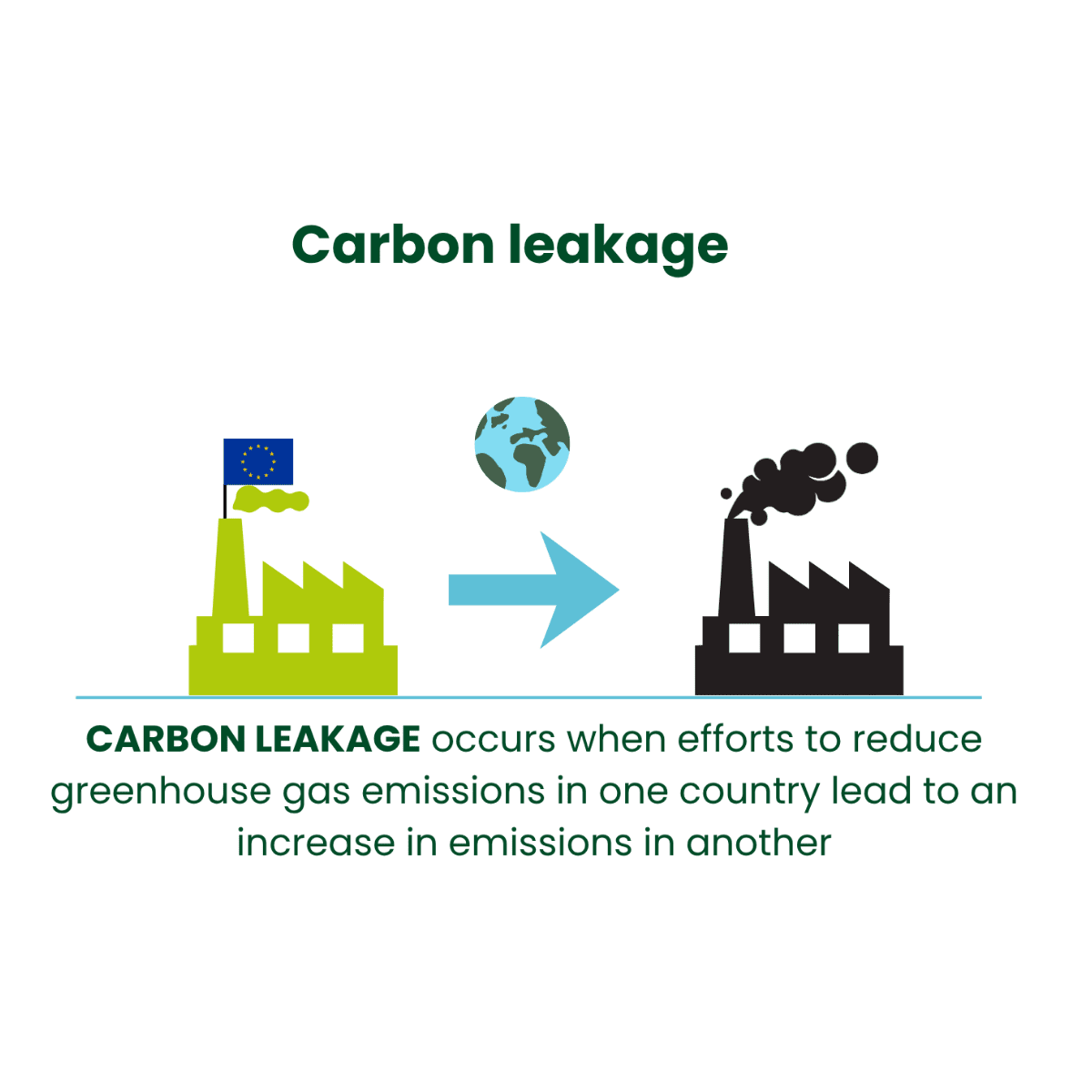
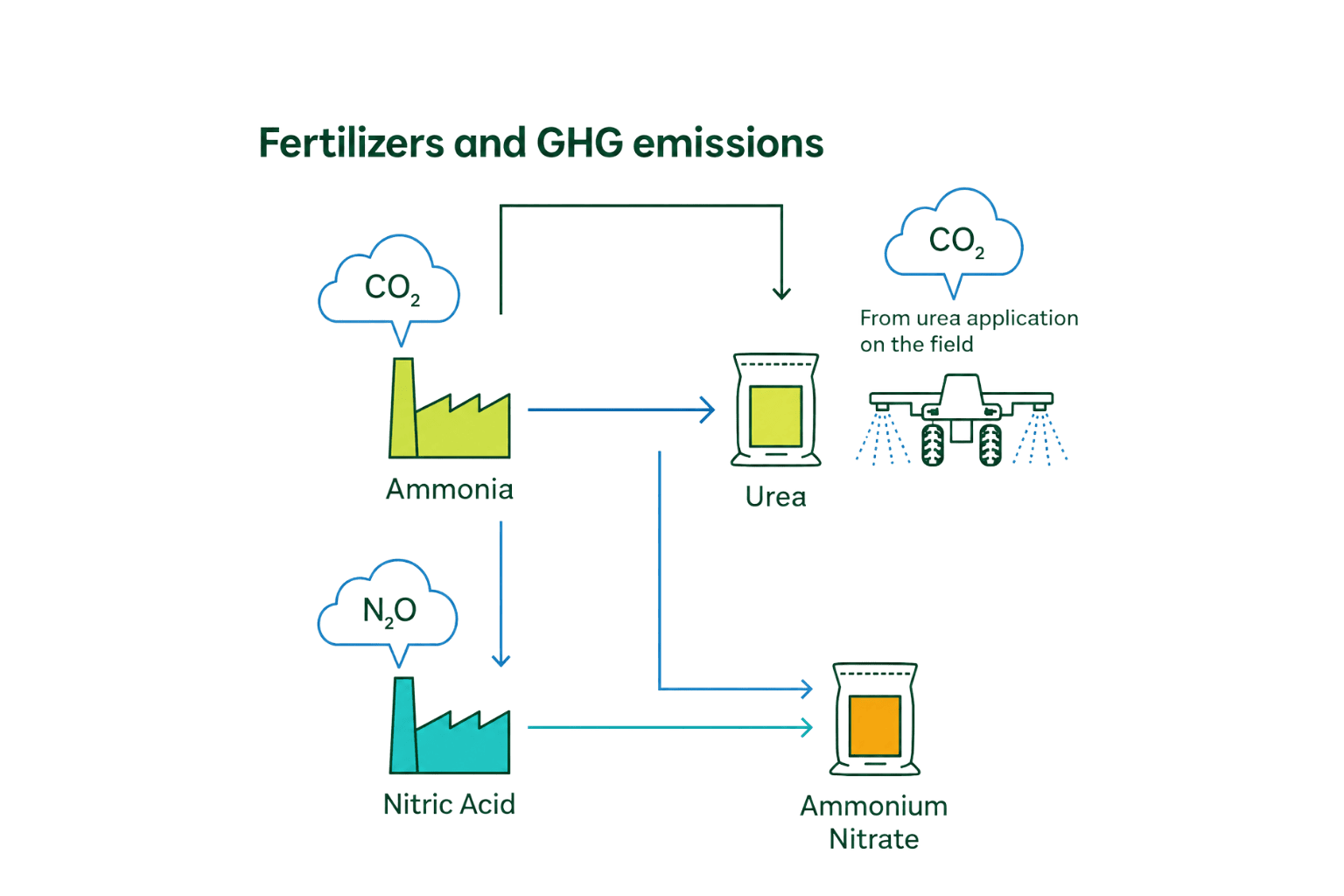
To address this risk, the sector receives free allocations based on ambitious benchmarks reflecting the performance of the most efficient installations. For fertilizers, specific benchmarks exist for ammonia and nitric acid production. These benchmarks decrease over the years to incentivize continuous improvements in efficiency.
Maintaining an appropriate level of protection remains essential to prevent carbon leakage and preserve industrial capacity while decarbonization technologies are scaled up.
With the ongoing ETS revision, it is essential to ensure that sectors at risk of carbon leakage continue to receive adequate protection, including through the retention of free allocations for the whole sector.
However, free allocations cover only part of the carbon costs borne by the industry. As the BMs decrease, ETS cap tightens and carbon prices increase, European producers face growing competitive pressure from imports that are not subject to equivalent carbon constraints.
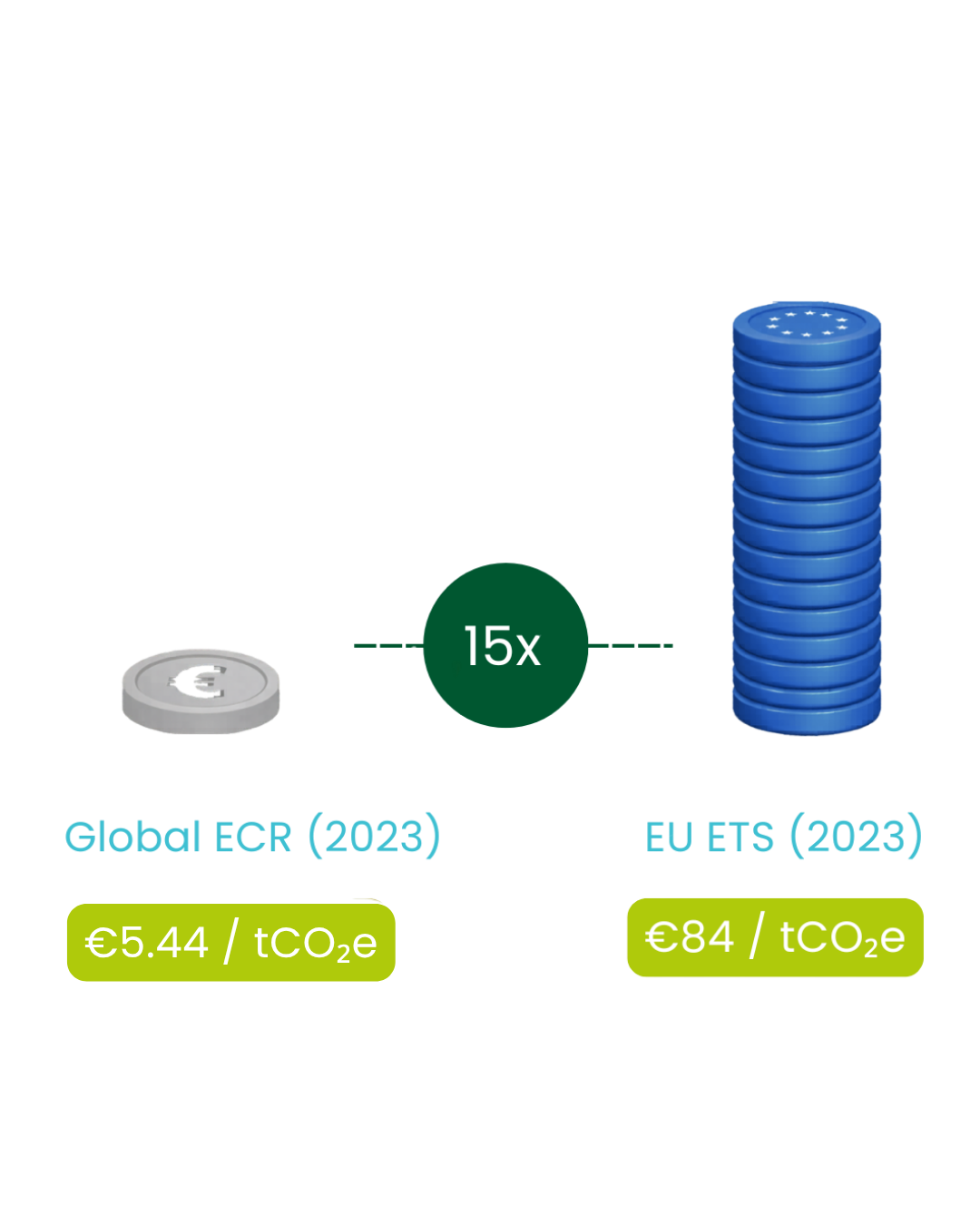
Source: OECD (2025), Effective Carbon Rates 2025: Recent Trends in Taxes on Energy Use and Carbon Pricing and OECD (2024), Pricing Greenhouse Gas Emissions 2024: Gearing Up to Bring Emissions Down
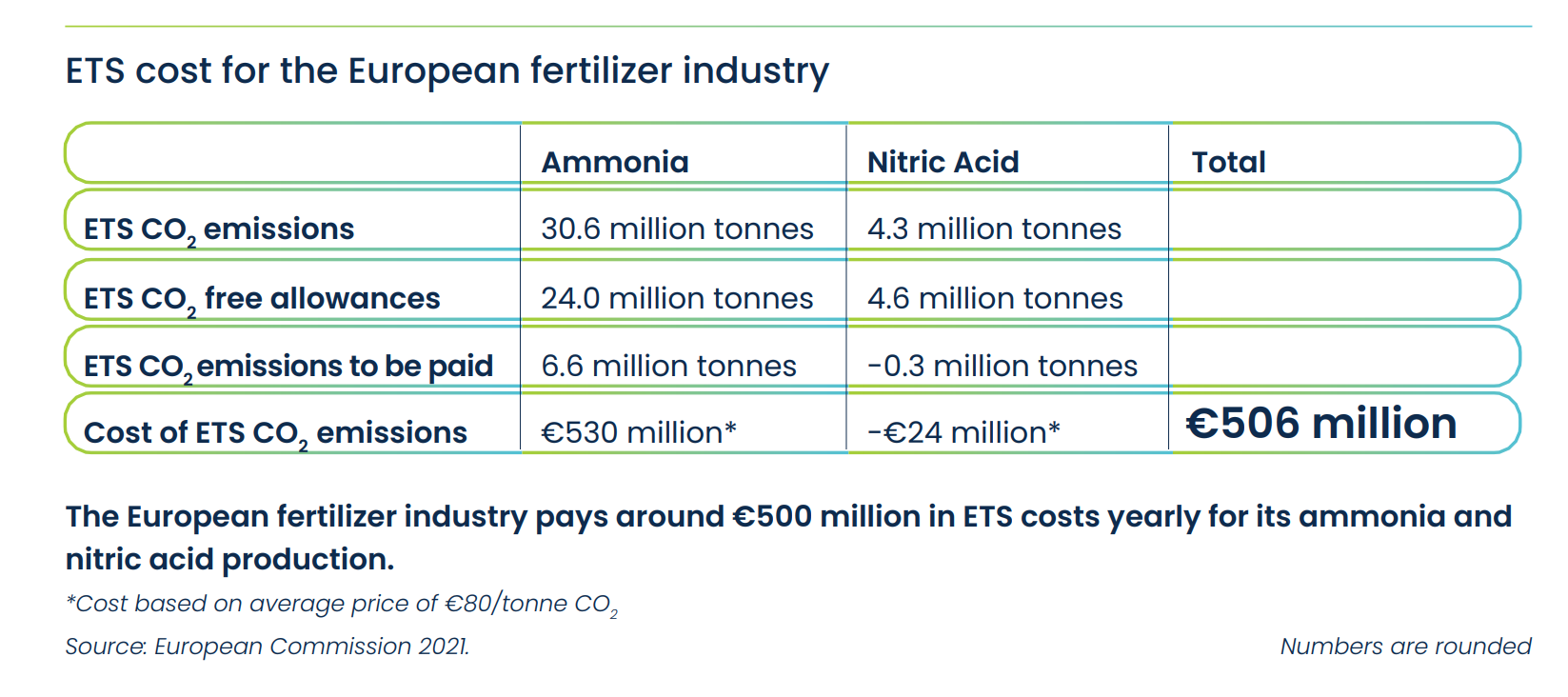
Maintaining an appropriate level of protection remains essential to prevent carbon leakage and preserve industrial capacity while decarbonization technologies are scaled up.
With the ongoing ETS revision, it is essential to ensure that sectors at risk of carbon leakage continue to receive adequate protection, including through the retention of free allocations for the whole sector.
Financing the Transition
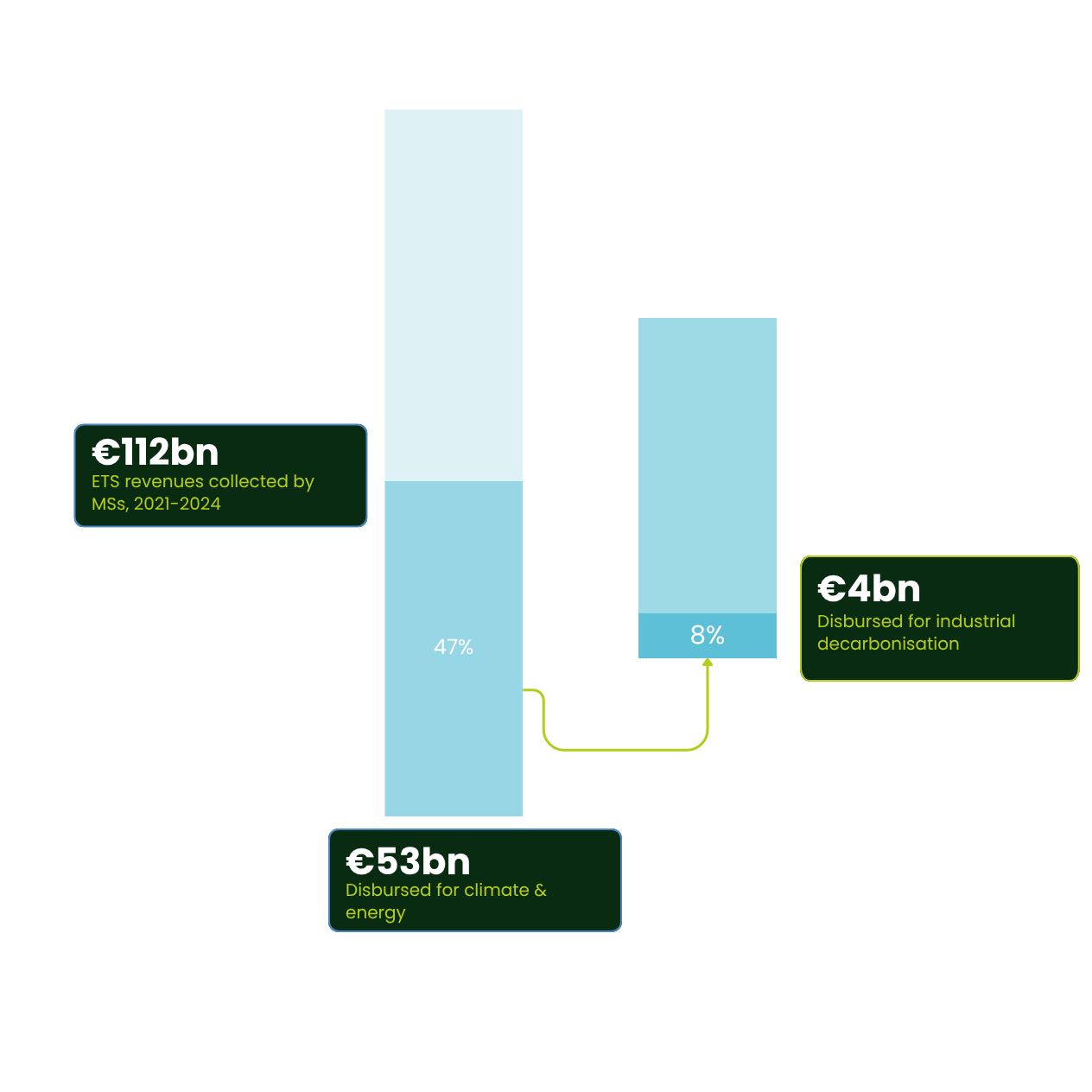
Source: Jacques Delors Institute, Conditionalities, Earmarking, Frontloading: How to get the white smoke on ETS (2026).
The transformation of industrial production processes requires unprecedented levels of investment and is also depended on a cost-effective availability of resources and infrastructures. While the EU ETS generates significant revenues through the auctioning of allowances, only a very limited share currently supports the decarbonization efforts of energy-intensive industries.
A stronger link between ETS revenues and industrial decarbonization, as proposed in the current legislation revision, would help accelerate the deployment of low-carbon technologies, reduce investment risks, and strengthen Europe’s industrial competitiveness.
Technology Neutrality: Enabling Industrial Decarbonization
The fertilizer industry has already achieved substantial emissions reductions using existing technologies. However, many ammonia production facilities are now approaching theoretical limits of efficiency improvements through conventional processes.
Under the right framework and with the right conditions, the fertilizer Industry could be again at the forefront of the decarbonization process and contribute to a climate-neutral economy through production of low-carbon and green ammonia.
However, the necessary investments require long planning horizons, significant capital expenditure, and a stable regulatory environment. Policy predictability and targeted support mechanisms are critical to enable the transition. As of today, the business case for decarbonization is missing.
To accelerate industrial decarbonization, the European Union should promote a technology-neutral framework that recognises the specificities of different industrial sectors and regional circumstances. Deploying a broad portfolio of solutions will be essential to achieving Europe’s climate objectives while maintaining competitiveness.
The ETS Review: A Strategic Opportunity
As part of the ongoing ETS review, the co-legislators are assessing several elements of the system, including the interaction between the ETS and CBAM, the gradual phase-out of free allocations, the possible use of international credits, and the potential extension of carbon pricing to additional sectors.
These discussions will have significant implications for the competitiveness and decarbonization pathway of Europe’s fertilizer industry.
The review should ensure that climate ambition is matched with the conditions necessary to maintain industrial production, safeguard investment, and strengthen Europe’s strategic resilience.
Our Calls to Action
- Maintain free allowances: retaining ETS free allowances at least at full BM levels until 2030 remains essential to address carbon leakage risks and support industrial investments in decarbonization;
- Finance industrial decarbonisation: EU ETS revenues should be redistributed to industry, to support clean investments and advance in the transition;
- Enable technology neutrality: a technology-neutral and realistic framework is essential to ensure that all viable decarbonization pathways can contribute to Europe’s climate objectives;
- Provide a stable and predictable regulatory framework: regulatory certainty is critical to unlock long-term industrial investments;
- Assess impact on competitiveness: climate and environmental legislation should be designed and implemented in a way that supports decarbonization while preserving the competitiveness of the European fertilizer industry and the resilience of the agri-food value chain.
The EU ETS has demonstrated its effectiveness in driving emissions reductions while fostering industrial innovation. The next phase of the system must build on this success by combining climate ambition with competitiveness, investment certainty, and a realistic pathway towards climate neutrality.