
CBAM
Carbon Border Adjustment Mechanism
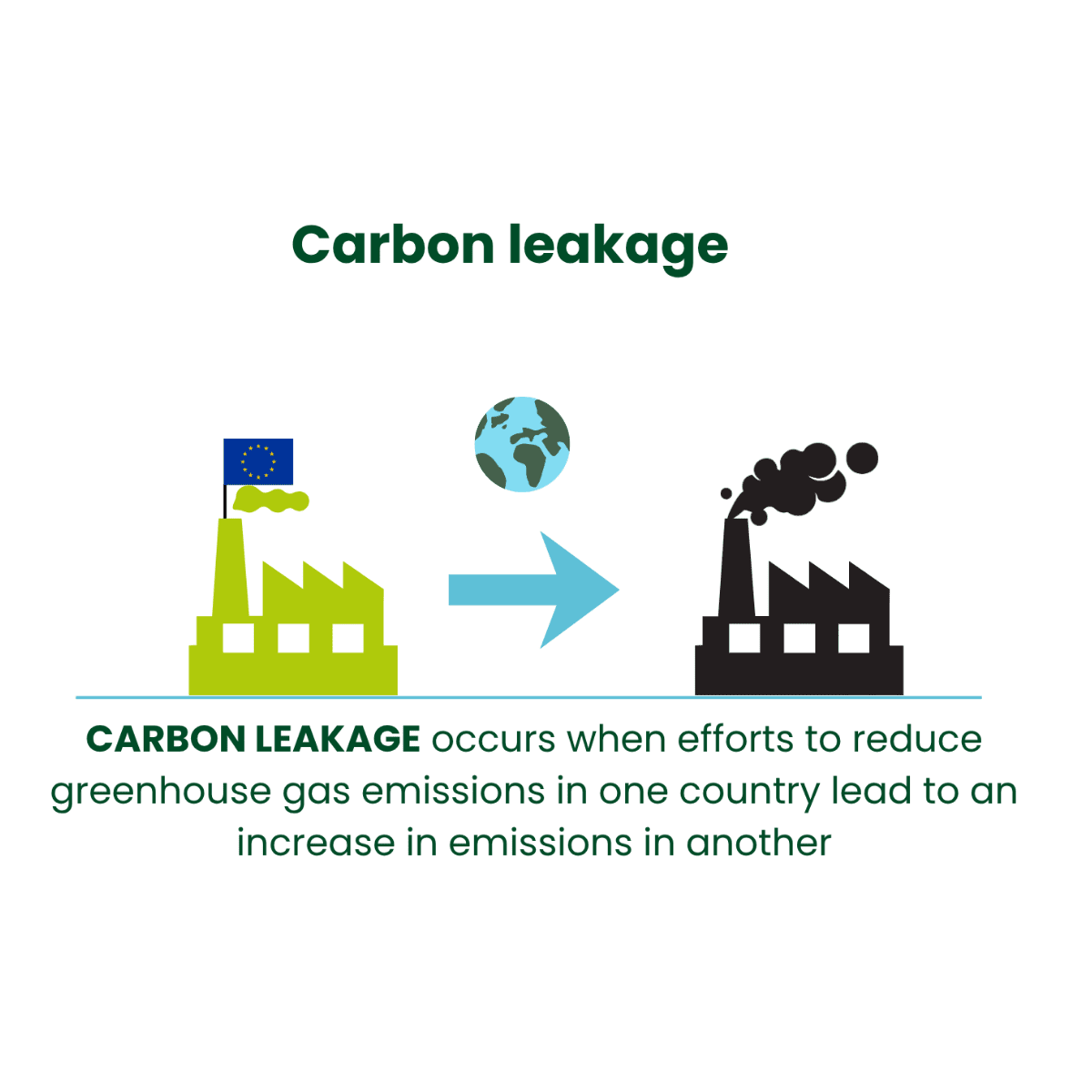
The European fertilizer industry is among the sectors most exposed to carbon leakage due to its high trade and emission intensity. Fertilizers Europe has consistently supported the inclusion of fertilizers in the Carbon Border Adjustment Mechanism (CBAM), to level the playing field on global markets and balance climate ambition with industrial competitiveness. Fertilizers are one of the six initial sectors covered by CBAM, which has now entered its definitive phase as of 1 January 2026.
CBAM: ETS for Imports
Fertilizers are essential for modern agriculture and global food security. As globally traded commodities, they are exposed to intense international competition, including from regions where producers face little or no carbon costs.
With very high production and compliance cost in the EU, without corrective measures, there is a real risk of carbon leakage for the European fertilizers sector – where production and associated emissions shift abroad to countries with weaker climate policies. Such leakage would undermine Europe’s progress toward decarbonization while eroding its industrial base, jobs, and food security.
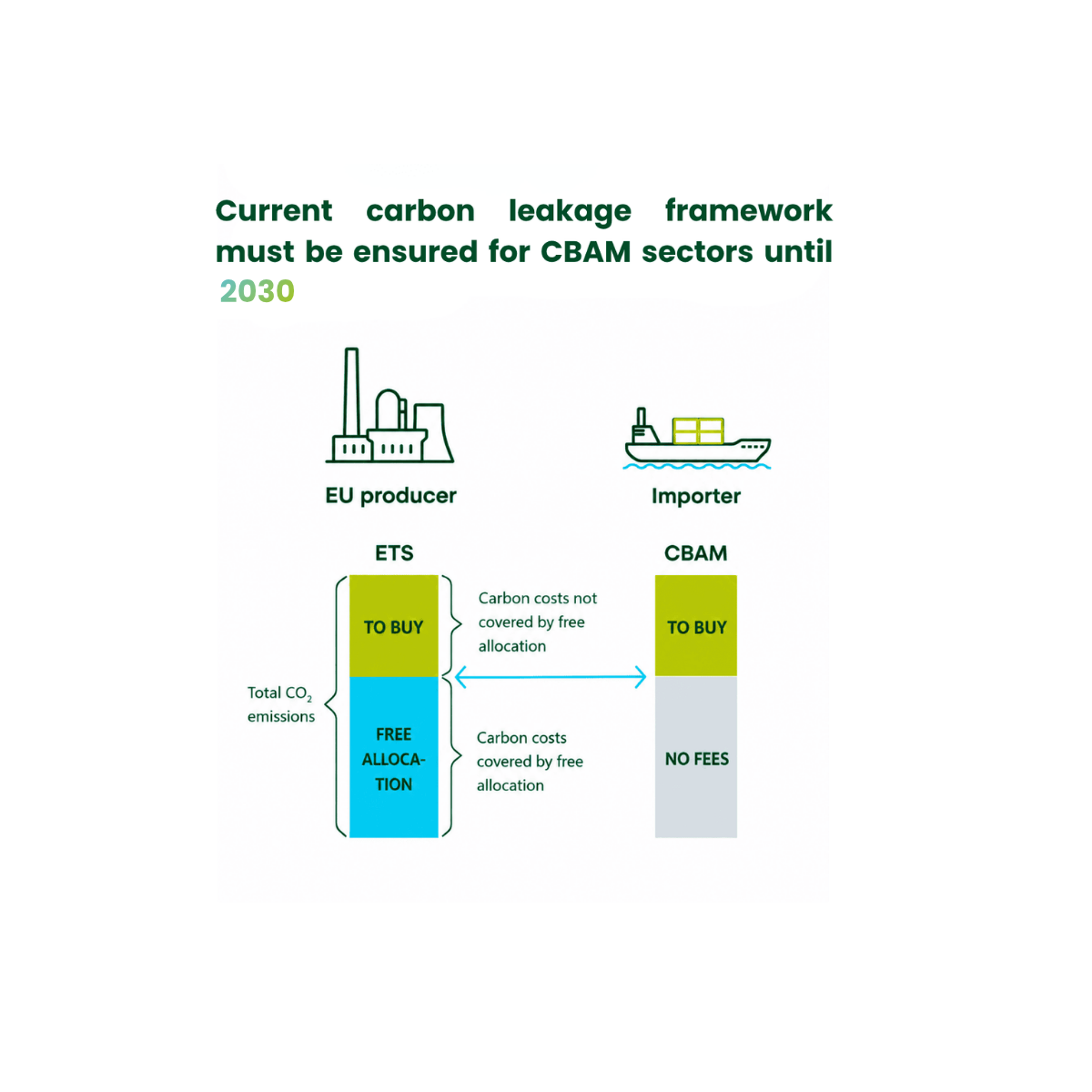
CBAM addresses this challenge by ensuring imported products face a carbon cost equivalent to that borne by EU producers under the EU ETS. This restores a level playing field, discourages carbon leakage, and incentivizes cleaner production worldwide. For nitrogen fertilizers, one of the sectors at highest risk, CBAM is critical to maintain competitiveness and support Europe’s climate ambitions.

Exports: Addressing the Remaining Gap
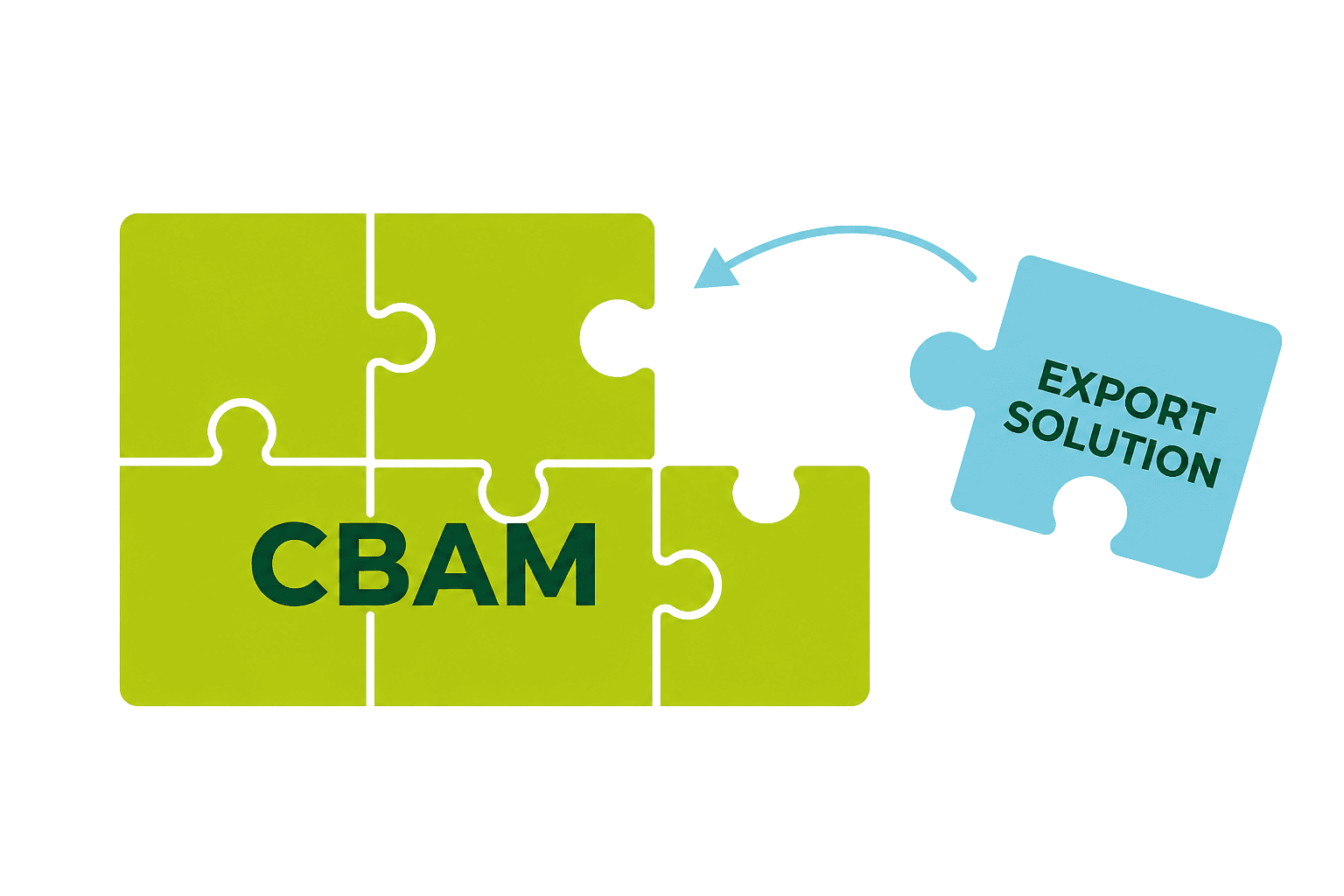
A huge regulatory issue is represented by the lack of export provision under the CBAM. EU fertilizer producers export products that are associated with lower carbon footprints than those of global competitors. Without an export solution, CBAM risks creating severe competitive disadvantages, especially as free allowances decrease.
This will weaken Europe’s position in global markets and shift demand towards higher-emission production outside the EU, undermining the environmental effectiveness of CBAM.
WTO-compatible solutions exist and should be explored to ensure coherence between climate ambition and trade exposure.
Article 27a: An On/Off Switch for EU Decarbonisation
With the progressive phase-out of free allocations under the EU ETS, a fully stringent, operational and predictable CBAM is essential.
The introduction of Article 27a, proposed by the European Commission in December 2025, risks undermining confidence in the Mechanism by allowing products to be removed from the scope in cases of “serious and unforeseen circumstances”.
While intended as a flexibility mechanism, this provision could introduce uncertainty regarding the stability of CBAM coverage. This can affect the predictability of the framework, and, in turn, the confidence needed for long-term industrial decarbonisation investments.
CBAM is designed to function as a stable carbon pricing extension at the border. Preserving regulatory certainty and a clearly defined scope is therefore essential to ensure its effectiveness in preventing carbon leakage and supporting Europe’s industrial transition.
Free Allocations until 2030: a Necessary Safeguard
Until CBAM is fully operational and its effectiveness has been demonstrated, maintaining full BM ETS free allocations until at least 2030 is vital.
A premature phase out would expose EU producers to unfair competition and carbon leakage and undermine investments in decarbonization. This safeguard ensures Europe can transition without sacrificing jobs, industrial capacity, or food security.
Our Calls to Action
- Export safeguard provisions: critical to keep EU fertilizers competitive globally
- Reject discretionary scope changes under Article 27a: introducing the possibility of removing products from CBAM would undermine predictability, jeopardise investments, and risk the overall effectiveness of the mechanism.
- Protect the integrity of CBAM: the mechanism is now in its definitive phase and must remain stable and predictable to deliver its objectives effectively.
- Maintain full BM ETS free allocations until 2030: essential to prevent carbon leakage and support decarbonization investments.
- Rock-solid implementation: strong monitoring and strict default values to avoid loopholes.
CBAM is not just an environmental tool: it is a cornerstone of Europe’s industrial strategy. As the import equivalent of the EU ETS, its success depends on regulatory certainty, a predictable scope, and effective implementation. Ensuring these conditions are met will be critical to preventing carbon leakage, supporting industrial decarbonisation, and maintaining Europe’s competitiveness in global markets.